
The right home charger for your car
A 7 kW smart charger with a Type 2 connector suits a fully electric car or a plug-in hybrid. Type 2 is the EU standard for AC charging and the plug the SEAI grant is for, and 7 kW is the fastest a normal single-phase home supply allows. A car with an older Type 1 socket uses the same charger with a Type 2 to Type 1 cable, or a tethered Type 1 charger.
Find your car's socket, see what 7 kW means for it, and when a bigger charger is worth it.
Free, no obligation. One registered electrician prices it, not five.
- Type 2the EU standard connector for AC charging
- 7 kWthe most on a normal single-phase home supply
- Just over 7 hoursfor a 50 kWh battery, empty to full, at 7 kW
- €300grant, even before you own the car
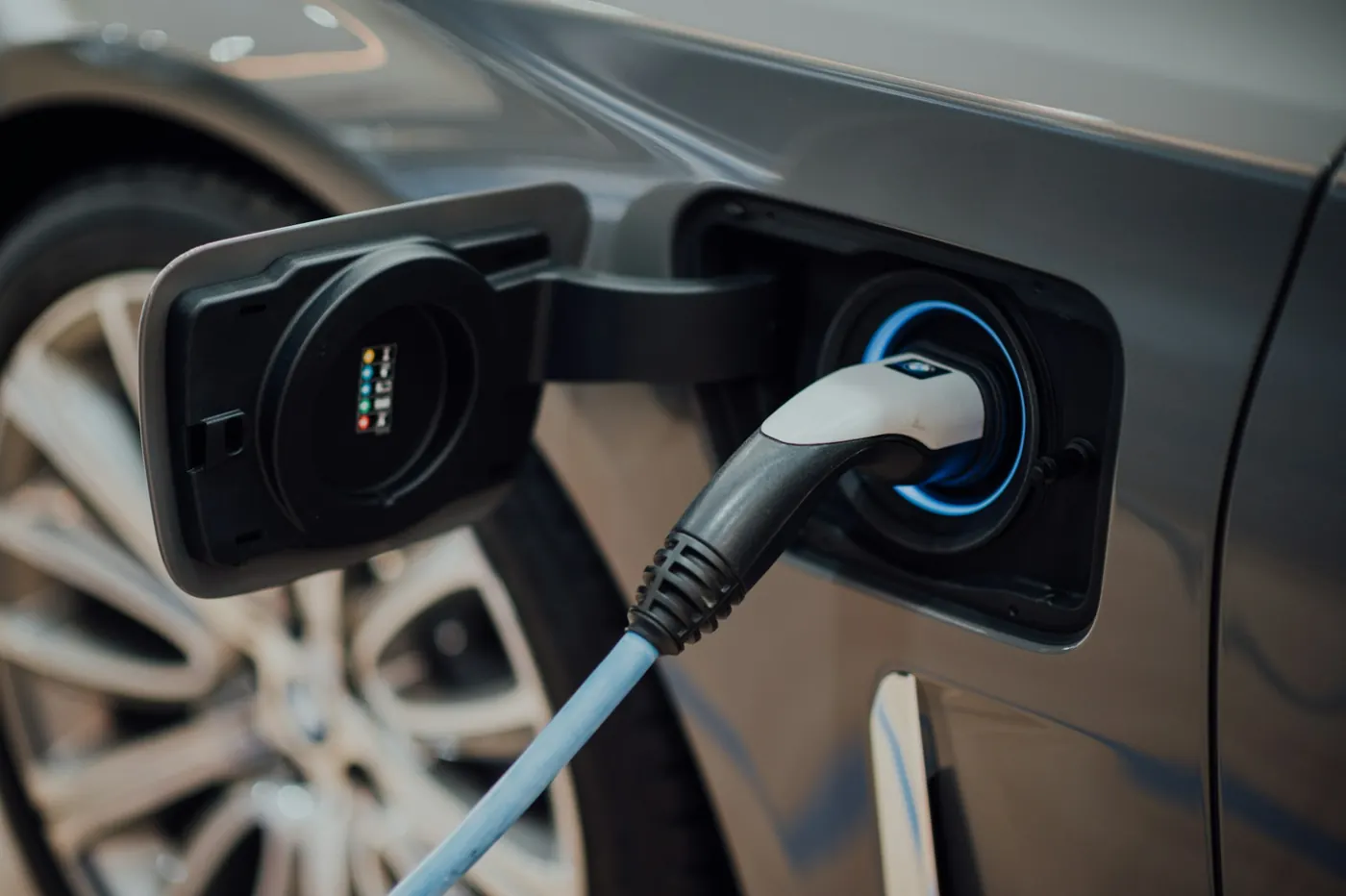
Find the socket on your car
Open the charging flap and count the pins. Type 2 is a round socket with a flat top and seven pin positions. It's the EU standard for AC charging, and the plug the SEAI grant is for. Type 1 is round with five pins, found on some earlier electric cars and plug-in hybrids. Below a Type 2 socket you may see two larger pins: that's the CCS part, for public rapid chargers, and a home charger doesn't use it.
| Your car | What to fit | Good to know |
|---|---|---|
| Fully electric | 7 kW smart charger, Type 2, tethered or untethered | The car charges overnight from almost any level |
| Plug-in hybrid | 7 kW smart charger, Type 2 | The car takes its own on-board charger's rate, often below 7 kW |
| Older car with a Type 1 socket | Untethered Type 2 charger and a Type 2 to Type 1 cable, or a tethered Type 1 charger | The Type 2 route still suits your next car |
| Not bought yet | Untethered 7 kW smart charger with a Type 2 socket | The grant doesn't need you to own an electric car |
What 7 kW means for your car
A home charger on a normal single-phase supply gives up to 7 kW, which is about 7 kWh of charge an hour. At that rate a 50 kWh battery goes from empty to full in just over 7 hours, so a car plugged in at night is full by morning. The car takes the lower of two numbers: the charger's 7 kW, and the AC charging power of its own on-board charger, which the handbook gives in kW. A plug-in hybrid often has a lower on-board rate, but its smaller battery still fills overnight.
Car by car: home charging times for nine cars, and what each costs to run: cost per 100 km, charged at home.
Match a charger to your car and your house
Four quick taps. Your plan builds up as you go: the charger that suits your car, the price range for your house, the grant and the time on site. Your number is only asked for at the end, if you want a fixed price.
A fully electric car, a charger on the house wall a few metres from a newer fuse board: €1,000 to €1,500 fitted, €700 to €1,200 after the €300 SEAI grant, including VAT.
How this is worked out
We start from what a 7 kW smart charger costs fitted in Ireland, including VAT, with a standard fit: the charger, its own circuit from the fuse board and up to 5 metres of cable. A solar-aware charger costs more. Then we add what installers charge for a longer cable run, a trench to a garage or post, and fuse board work on an older board. The SEAI home charger grant comes off the charger and fitting, never off the board or earthing work. It is an estimate to plan with, never a quote: the electrician prices your house after looking at it.
When a bigger charger is worth it
11 kW and 22 kW home chargers need a three-phase supply, and most Irish homes are single-phase. Bringing in three-phase costs €1,500 to €3,000 or more, and many cars can only take 11 kW on AC anyway. For a car that sits on the drive overnight, 7 kW is enough. Three-phase makes sense for a house that already has it.
Buying an electric car soon
Homeowners can apply for the €300 grant whether or not they own an electric car yet, so the charger can go in before the car arrives. Fit an untethered charger with a Type 2 socket: it takes any cable, so it suits whatever you buy. Every charger the grant pays for is a smart charger from SEAI's Smart Charger Register, which can be set to charge when electricity costs least.
Home Car Charger Installation guides & price breakdowns
Straight answers to what people ask most: itemised costs, specifications, planning or grants, and what to check before you book.
More guides & resources: The certificate and paperwork for a home charger · All guides & calculator hub · Technical & trade glossary · Frequently asked questions
Questions people ask
Will a home charger work with any electric car?
A Type 2 charger works with any car that has a Type 2 socket, and with a Type 1 car through a Type 2 to Type 1 cable on an untethered charger.
Is a 7 kW charger fast enough?
For overnight charging at home, yes. A 50 kWh battery goes from empty to full in just over 7 hours at 7 kW, and most nights you're only topping up.
Do I need a 22 kW charger?
No. 22 kW needs a three-phase supply, which costs €1,500 to €3,000 or more to bring in, and most cars can't take 22 kW on AC.
Can I get the grant before I buy the car?
Yes. Homeowners can apply whether or not they own an electric car.
What is a smart charger?
One that connects to an app and can be scheduled to charge at set times. The SEAI grant only supports smart chargers on SEAI's Smart Charger Register.
Home Car Charger Installation across all 26 counties
Requests from all 26 counties go to one vetted local specialist who covers your county — from Dublin, Cork, Galway and Limerick to Kildare, Meath, Wicklow, Waterford and Donegal. Pick your county below for local prices, specifications and advice.
Get a fixed price for your charger
Match it in under a minute, see the price and the grant, and one Safe Electric registered electrician who covers your county rings you.