
Fuse board and earthing checks before a charger goes in
Before fitting a charger, the electrician checks four things: a spare way on the fuse board for the charger's own circuit, RCD protection, how the house is earthed, and whether the supply can carry 7 kW more. Boards fitted before about 2008 often need replacing to meet I.S. 10101, the national wiring rules, and the SEAI grant doesn't pay for earthing, meter tail or bonding upgrades.
The four checks, what an older board needs, and how many homes in each county are older.
Free, no obligation. One registered electrician prices it, not five.
- ~2008boards older than this often need work first
- +€500–€650full upgrade, house older than 1990
- +€300–€400new meter tails, 1990s house
- ~€180load balancing device
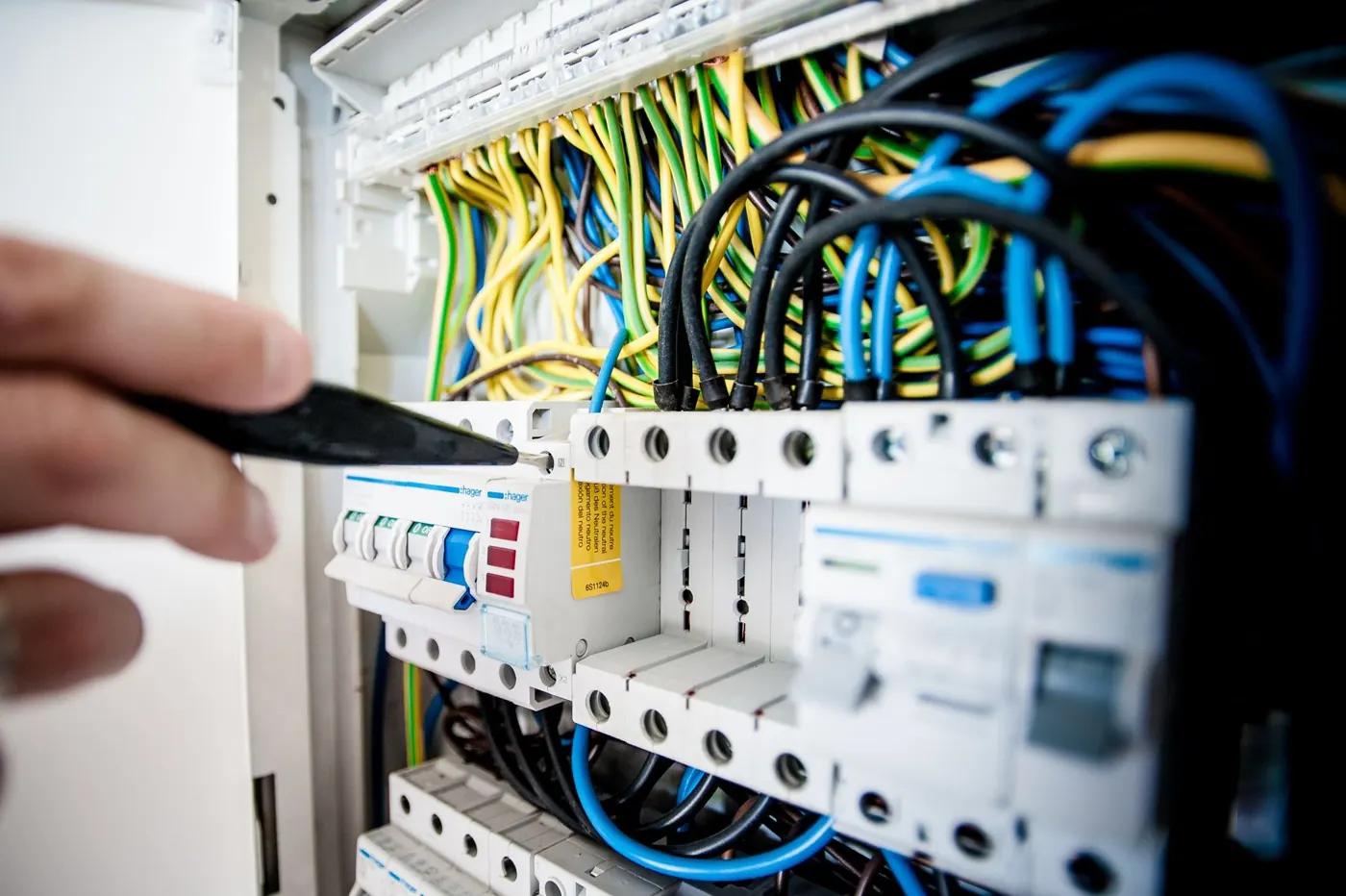
The four checks
- A spare way on the board. The charger gets its own circuit, so the board needs room for one more protective device.
- RCD protection. Older boards with no RCDs, or with fuses instead of switches, aren't fit to take a charger.
- Earthing. How the house is earthed decides the protection the charger needs, and sometimes an earth rod in the ground outside.
- The supply. With the cooker, the shower and the heating on, can the house carry 7 kW more? If not, load balancing turns the charger down.
Older boards
Boards fitted before about 2008 often need replacing to meet I.S. 10101. In a house built before 1990 that never had its board replaced, budget €500 to €650 for the full job: new meter tails, an earth bond and a new board. In a 1990s house, new meter tails alone are often needed: €300 to €400. None of it is covered by the grant, because SEAI excludes earthing, meter tails and bonding.
| County | Homes built before 1991 | Built 2001 or later |
|---|---|---|
| Dublin | 59% | 27% |
| Cork | 54% | 32% |
| Galway | 45% | 37% |
| Kildare | 39% | 41% |
| Meath | 39% | 45% |
| Limerick | 55% | 29% |
| Wicklow | 53% | 33% |
| Wexford | 44% | 39% |
| Louth | 50% | 34% |
| Kerry | 52% | 32% |
| All of Ireland | 52% | 33% |
Census 2022 figures for when homes were built. A house can be old with a new board, so take a photo of yours.
Match a charger to your car and your house
Four quick taps. Your plan builds up as you go: the charger that suits your car, the price range for your house, the grant and the time on site. Your number is only asked for at the end, if you want a fixed price.
A fully electric car, a charger on the house wall a few metres from a newer fuse board: €1,000 to €1,500 fitted, €700 to €1,200 after the €300 SEAI grant, including VAT.
How this is worked out
We start from what a 7 kW smart charger costs fitted in Ireland, including VAT, with a standard fit: the charger, its own circuit from the fuse board and up to 5 metres of cable. A solar-aware charger costs more. Then we add what installers charge for a longer cable run, a trench to a garage or post, and fuse board work on an older board. The SEAI home charger grant comes off the charger and fitting, never off the board or earthing work. It is an estimate to plan with, never a quote: the electrician prices your house after looking at it.
Load balancing and the main fuse
A load balancing device (about €180) watches what the whole house is drawing and turns the charger down when the shower or the cooker comes on, so the main fuse doesn't trip. Many smart chargers can do it with a sensor at the meter. The electrician decides from the supply and what's on it.
What you can check yourself
- Switches or fuses? Rows of switches are a modern board; ceramic fuses you pull out are an old one.
- A test button. An RCD has a button marked T or Test. No test button usually means no RCD protection.
- A label. Many boards carry a date or a certificate label inside the cover.
- A photo. Send one to the electrician before the visit, with the cover closed. It's how they price the board work.
Home Car Charger Installation guides & price breakdowns
Straight answers to what people ask most: itemised costs, specifications, planning or grants, and what to check before you book.
More guides & resources: The certificate and paperwork for a home charger · All guides & calculator hub · Technical & trade glossary · Frequently asked questions
Questions people ask
Do I need a new fuse board for an EV charger?
Not always. A newer board with RCDs and a spare way usually takes a charger. Boards older than about 2008 often need work first.
How much is a fuse board upgrade for a charger?
€500 to €650 for the full job in a house older than 1990 (new meter tails, an earth bond and a new board), or €300 to €400 for new meter tails in a 1990s house.
Does the grant cover the fuse board?
No. SEAI says upgrades such as earthing, meter tails or bonding are not eligible.
Why does earthing matter for a car charger?
The car is plugged in outdoors, so the protection against a fault has to suit how the house is earthed. Sometimes that means an earth rod outside.
What is load balancing?
A device or setting that turns the charger down when the rest of the house is drawing a lot, so the main fuse doesn't trip. About €180 as a separate device.
Home Car Charger Installation across all 26 counties
Requests from all 26 counties go to one vetted local specialist who covers your county — from Dublin, Cork, Galway and Limerick to Kildare, Meath, Wicklow, Waterford and Donegal. Pick your county below for local prices, specifications and advice.
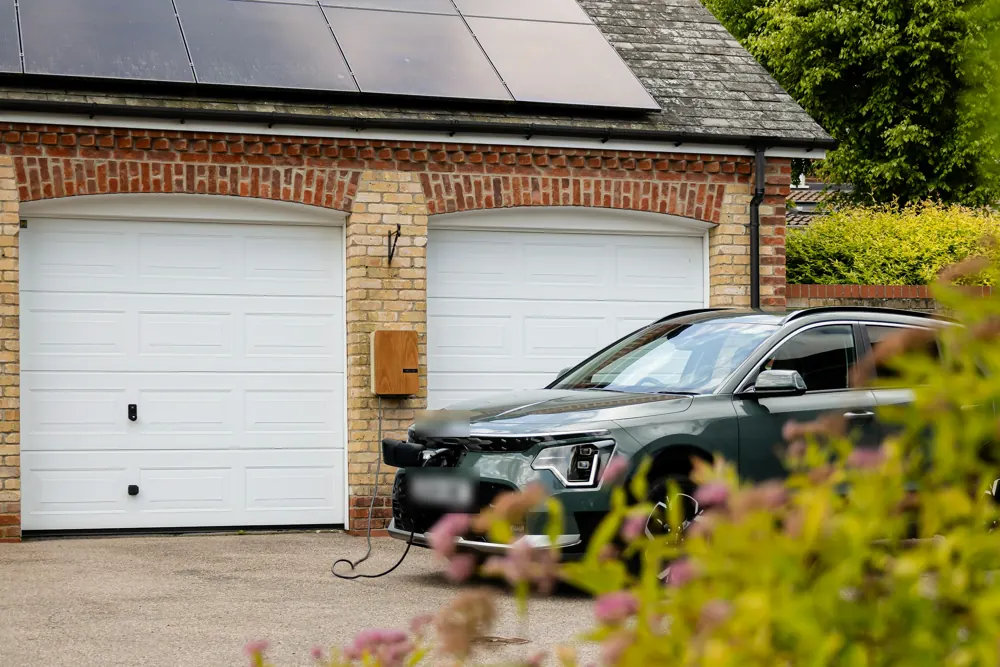
Get a fixed price for your charger
Match it in under a minute, see the price and the grant, and one Safe Electric registered electrician who covers your county rings you.