
Car charger questions, answered
Cost, the grant, your car, where it goes, the fuse board, apartments, solar and the paperwork.
Free, no obligation. One registered electrician prices it, not five.
- €300SEAI grant
- €1,000–€1,500standard fit, incl. VAT
- 2–4 hourson site
- 7 kWsingle-phase home charger
Match a charger to your car and your house
Four quick taps. Your plan builds up as you go: the charger that suits your car, the price range for your house, the grant and the time on site. Your number is only asked for at the end, if you want a fixed price.
A fully electric car, a charger on the house wall a few metres from a newer fuse board: €1,000 to €1,500 fitted, €700 to €1,200 after the €300 SEAI grant, including VAT.
How this is worked out
We start from what a 7 kW smart charger costs fitted in Ireland, including VAT, with a standard fit: the charger, its own circuit from the fuse board and up to 5 metres of cable. A solar-aware charger costs more. Then we add what installers charge for a longer cable run, a trench to a garage or post, and fuse board work on an older board. The SEAI home charger grant comes off the charger and fitting, never off the board or earthing work. It is an estimate to plan with, never a quote: the electrician prices your house after looking at it.
Every way a home charger goes in
Your car, your parking and your roof, a page each.
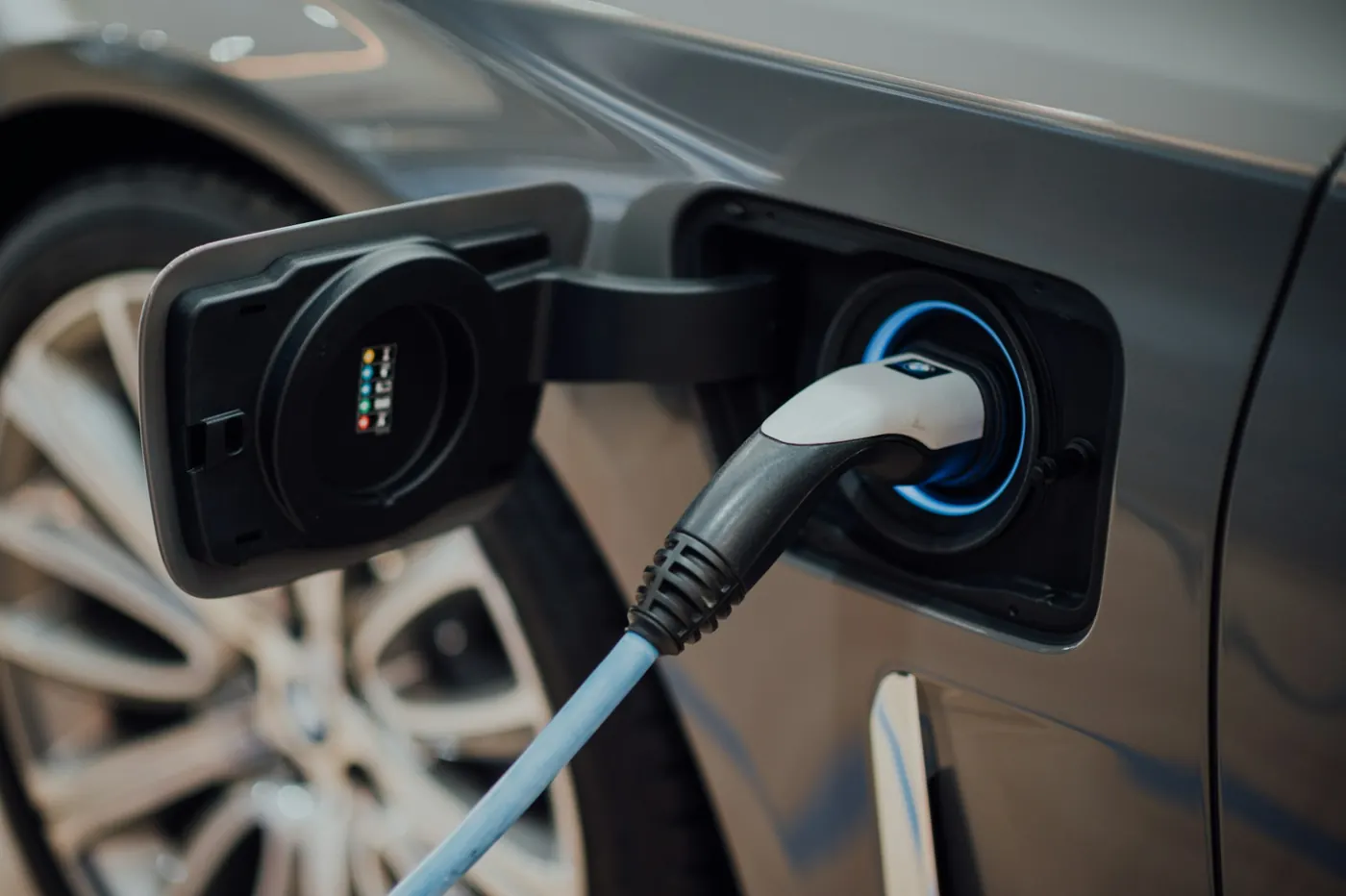 The right charger for your carType 2 or Type 1, fully electric or plug-in hybrid, and what 7 kW does for each.
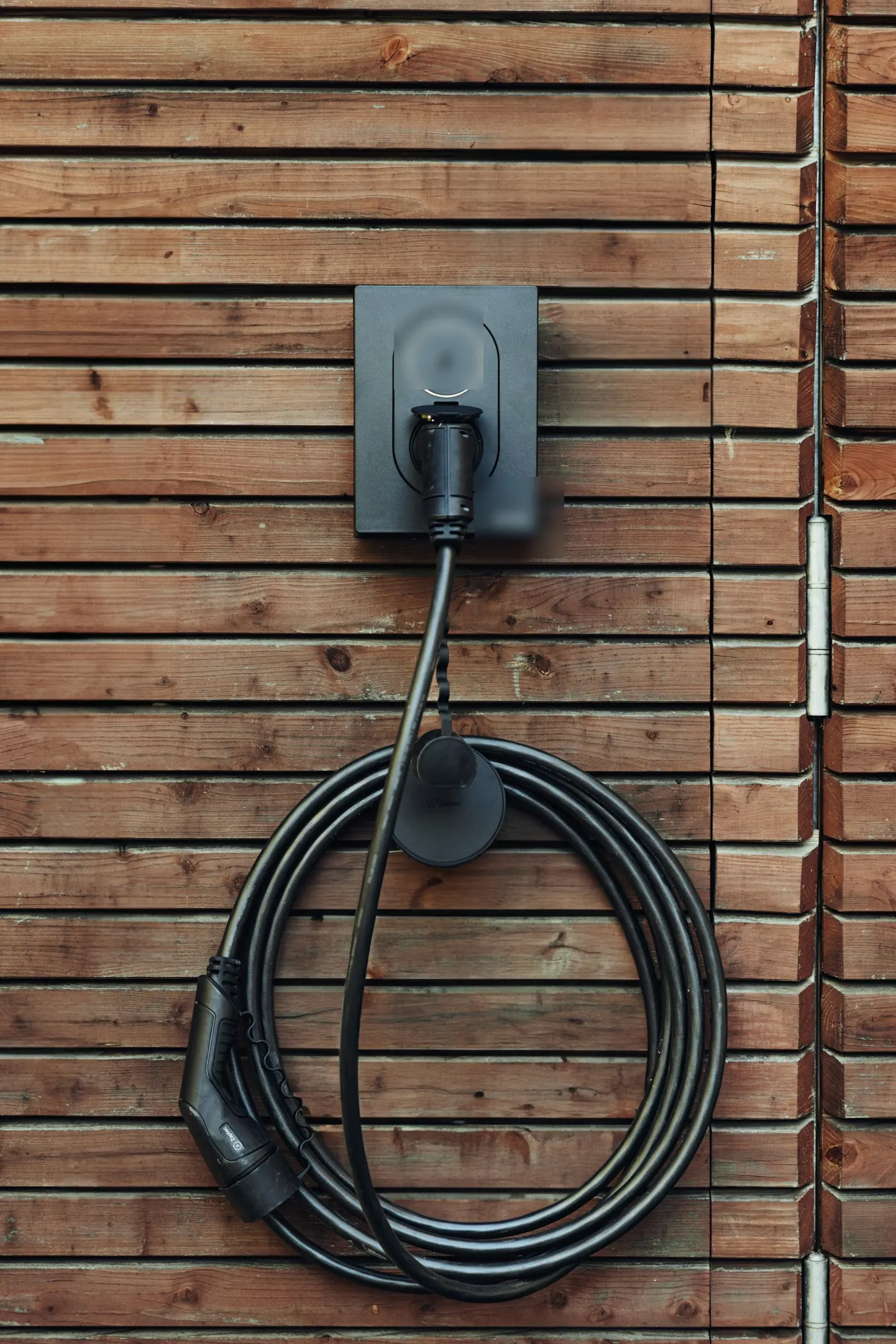 Tethered or untetheredA cable fixed to the charger, or a socket and your own cable. Which suits where you park.
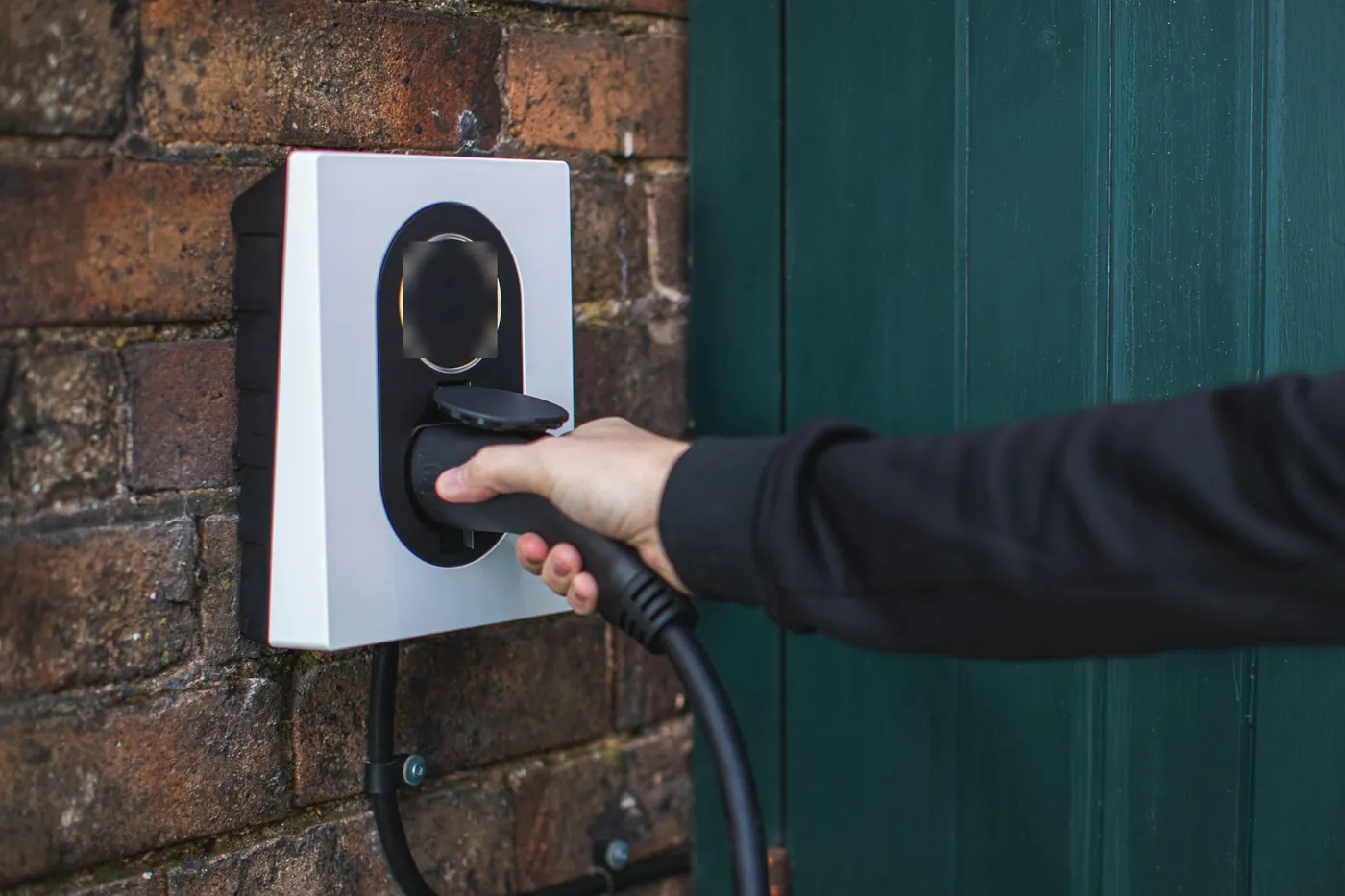 Driveway, garage or postOn the house wall, inside the garage or on a post down the drive, and what each adds.
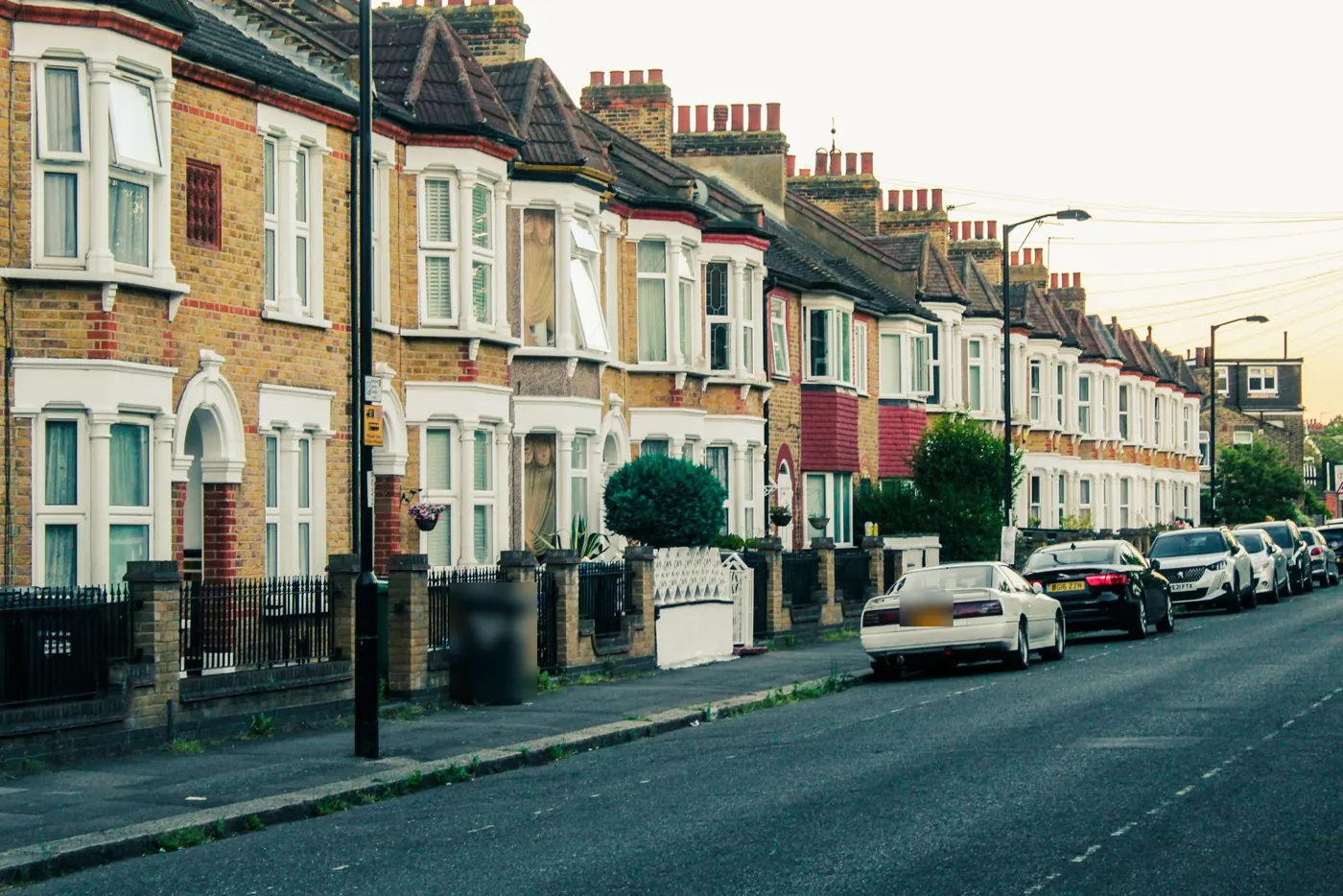 Charging without a drivewayWhy the grant needs off-street parking, and what's open to you on the street.
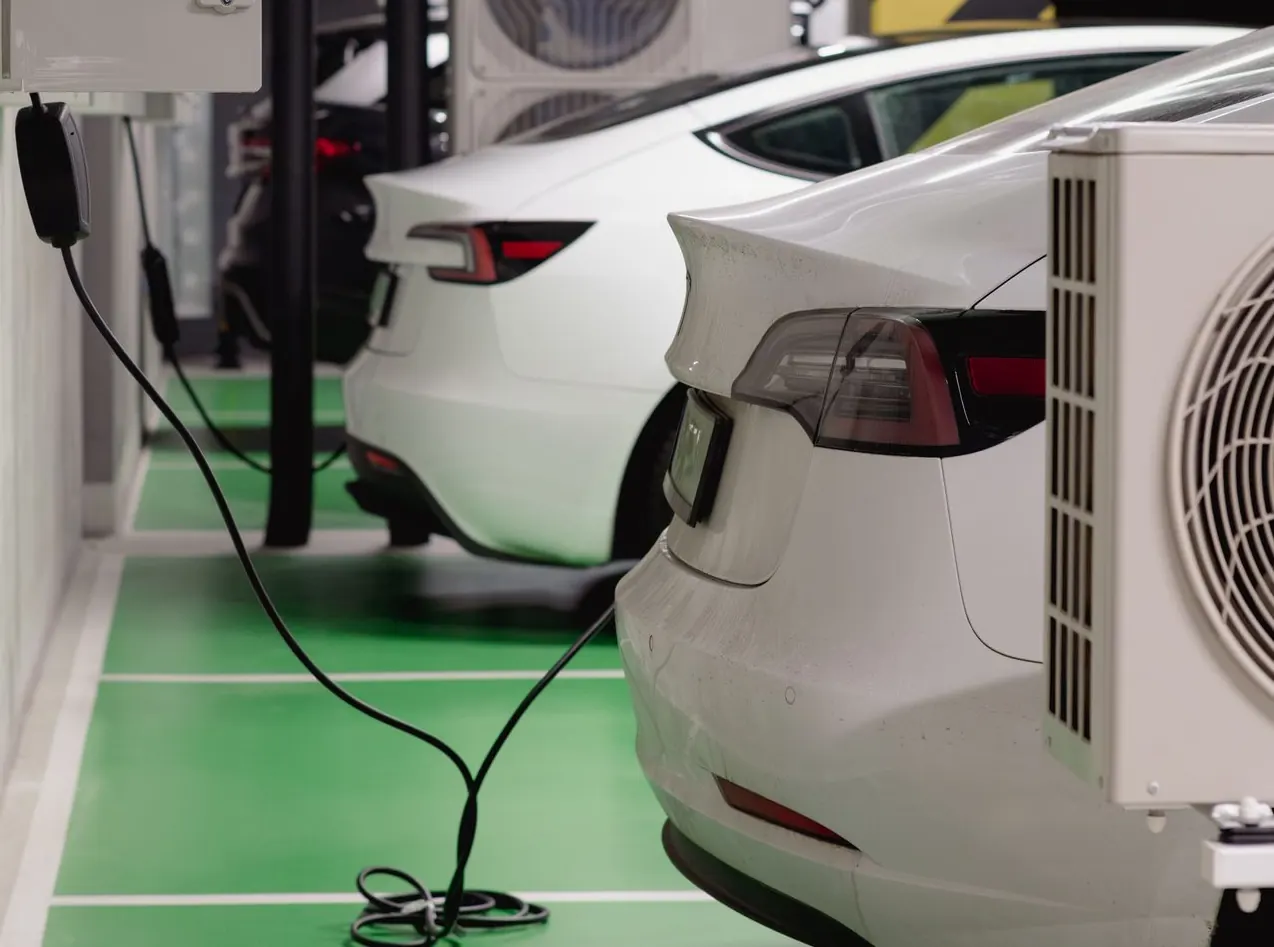 Apartments and shared parkingYour own space or a shared car park: the two grants, and who applies.
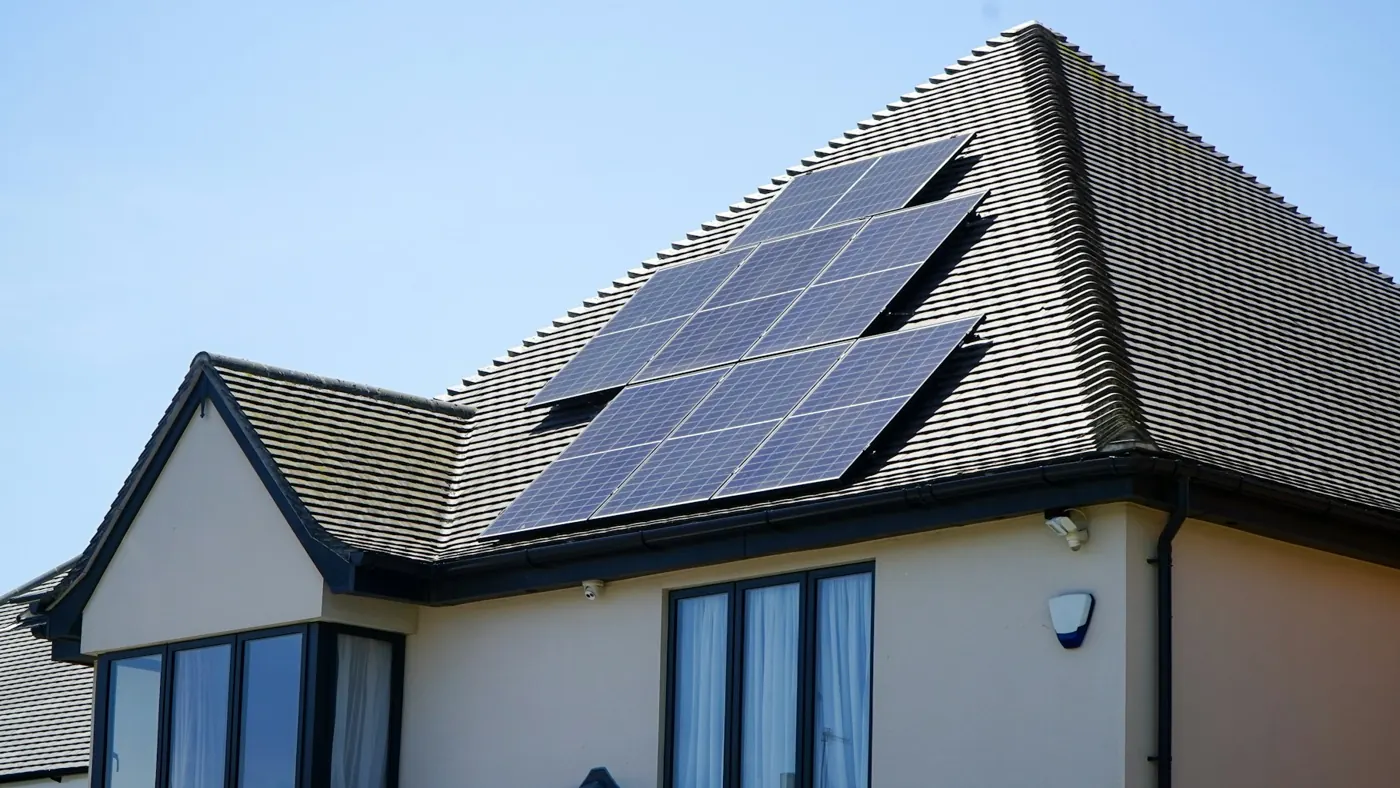 Charging from solar panelsA solar-aware charger fills the car from your own roof before power goes to the grid.
Home Car Charger Installation guides & price breakdowns
Straight answers to what people ask most: itemised costs, specifications, planning or grants, and what to check before you book.
More guides & resources: The certificate and paperwork for a home charger · All guides & calculator hub · Technical & trade glossary · Frequently asked questions
Every question
How much does it cost to install a car charger at home?
A 7 kW smart car charger costs €1,000 to €1,500 fitted in Ireland, including VAT, with a standard fit of up to 5 metres of cable. The SEAI grant takes €300 off, so a standard fit comes to €700 to €1,200. A longer cable run, a trench to a garage or post, and work on an older fuse board come on top.
How much is the SEAI home charger grant?
Up to €300, covering 100% of the charger and installation cost up to that amount.
Who can get the grant?
Homeowners with off-street parking at the home, whether or not they own an electric car yet. One charger per MPRN, and not a property that already had a home charger grant.
Can I start before the grant is approved?
No. Any work before the start date on the Letter of Offer, and any spending before approval, is ineligible.
Which charger suits my car?
A 7 kW smart charger with a Type 2 connector suits a fully electric car or a plug-in hybrid. Type 2 is the EU standard for AC charging and the plug the SEAI grant is for, and 7 kW is the fastest a normal single-phase home supply allows. A car with an older Type 1 socket uses the same charger with a Type 2 to Type 1 cable, or a tethered Type 1 charger.
Tethered or untethered?
Tethered has the cable fixed to the charger and costs €100 to €200 more; untethered has a Type 2 socket for your own cable and suits any car.
Where should the charger go?
Close to where the car's charging flap ends up when you park, as near the fuse board as that allows.
Do I need a new fuse board?
Not always. Boards older than about 2008 often need work first; the grant doesn't pay for earthing, meter tails or bonding.
Can I get a charger without a driveway?
The SEAI home charger grant needs off-street parking, with the charger and the work inside your boundary, so a house that parks on the street gets no grant. A charging arm over the footpath needs planning permission or a section 5 declaration from the council before anyone fits it.
Can I get a charger in an apartment?
With your own assigned space you can claim the €300 home charger grant, using the landlord's or the apartment block's MPRN, once the management company agrees. In a shared car park the management company applies for the EV Apartment Charger Grant: 80% of the cost for an owners' management company, €600 for each charge point, up to €5,000 a home and €100,000 for the development.
Can I charge from solar panels?
Yes, with a solar-aware smart charger: €1,400 to €2,100 fitted.
How long does installation take?
2 to 4 hours for a standard fit, a full day with a trench, a long run or board work. 3 to 6 weeks from the first quote to charging.
What certificate do I get?
A Completion Certificate from the Registered Electrical Contractor. For the grant, Certificate Number 3 goes to Safe Electric and you get the Test Record Sheet.
Do I need three-phase?
No. A 7 kW charger runs on a normal single-phase supply. Three-phase costs €1,500 to €3,000 or more and only matters for 11 or 22 kW.
Who gets my request?
One Safe Electric registered electrician who covers your county. We're not SEAI.
What happens after I send the planner?
One Safe Electric registered electrician who covers your county gets your answers and our estimate and rings you. They give you a written price, and nothing is agreed until you accept it.
Can I apply for the €300 SEAI home charger grant before I actually own an electric car?
Yes. Under current SEAI Home Electric Vehicle Charger Grant rules, you do not need to own or list an electric vehicle to qualify. As long as the property has a valid 11-digit MPRN, has not claimed the EV grant previously, and was not required to have a charger under post-2022 new-build planning conditions, you can apply and receive the Letter of Offer before installation.
Will running a 7.4kW car charger trip my fuseboard if the electric shower is turned on?
Not when installed with a hard-wired dynamic load management CT clamp on the ESB meter tails. The moment an 8.5kW or 9.5kW electric shower, immersion heater or heat pump draws heavy current, the CT clamp signals the EV charger to reduce charging speed for those few minutes and restores full 32A charging as soon as the shower switches off.
How long do I have after receiving my SEAI Letter of Offer to get the charger installed?
Once SEAI emails your Letter of Offer, your six-month clock starts. Your Safe Electric Registered Electrical Contractor must complete the installation, hand you the Completion Certificate and EV Test Record, and you must upload the photos, invoice and forms within 6 months.
Should I choose a tethered charger or an untethered socket charger?
Around three-quarters of Irish drivers choose a tethered charger (with a built-in 5m or 7.5m cable) so they never have to lift a wet cable out of the boot on rainy evenings. An untethered socket looks smaller on a front house wall and lets you lock the socket completely via app when parked on an open driveway.
How long does a standard home EV charger installation take on the day?
A standard single-day domestic installation where the meter box and consumer unit are within 10 metres of the driveway wall takes 2.5 to 4 hours, including fitting the dedicated mini-enclosure or RCBO, clipping or ducting the cable, mounting the wallbox, pairing the Wi-Fi app and running full IS 10101 loop and RCD tests.
What is the lowest-cost time of night to charge an electric car in Ireland?
With a smart meter and a dedicated EV night-boost electricity tariff (normally running for 2 to 4 hours between 02:00 and 05:00 or 06:00 at roughly 8c to 14c per kWh), scheduling your charger timer in the app adds 100 to 150 km of driving range overnight for around €2 to €3.50.
Home Car Charger Installation across all 26 counties
Requests from all 26 counties go to one vetted local specialist who covers your county — from Dublin, Cork, Galway and Limerick to Kildare, Meath, Wicklow, Waterford and Donegal. Pick your county below for local prices, specifications and advice.
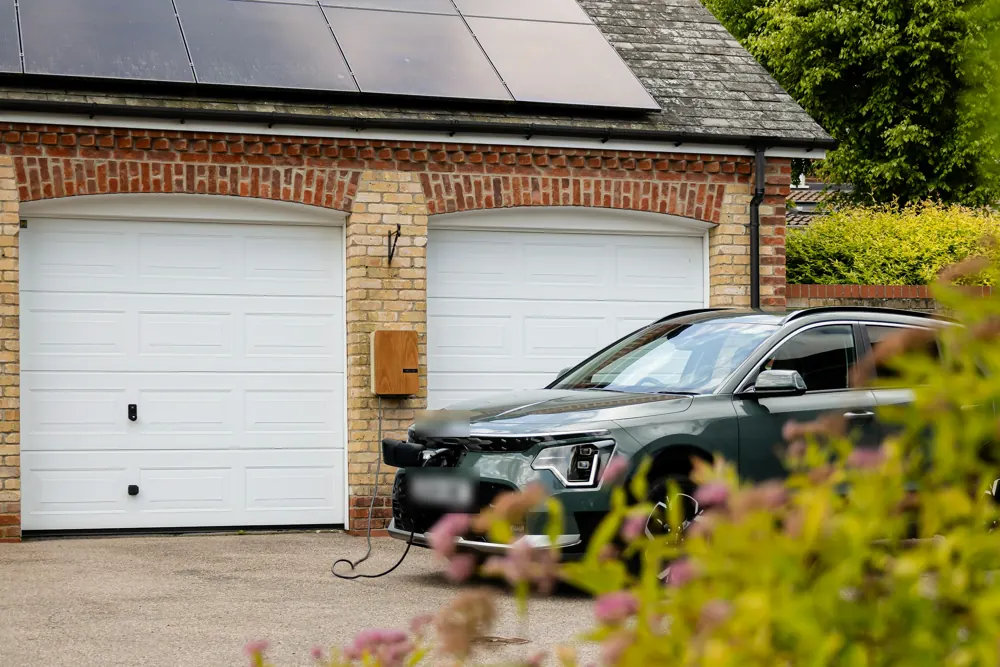
Get a fixed price for your charger
Match it in under a minute, see the price and the grant, and one Safe Electric registered electrician who covers your county rings you.